

Members of the seafood sector on Canada’s East Coast are expressing relief following the federal government’s decision to exclude U.S. fish and seafood products from its counter-tariff list.
The government made the announcement late Wednesday evening, indicating that the modifications were made in response to “feedback.”
This decision came just one day after the federal government declared counter-tariffs on $27.6 billion worth of U.S. products, aiming to retaliate against the new 50 percent tariffs imposed by the U.S. over the weekend on a similar range of goods due to the breakdown of trade negotiations.
A significant portion of the items in the initial list were seafood products, which were set to be taxed at a rate of 25 percent.
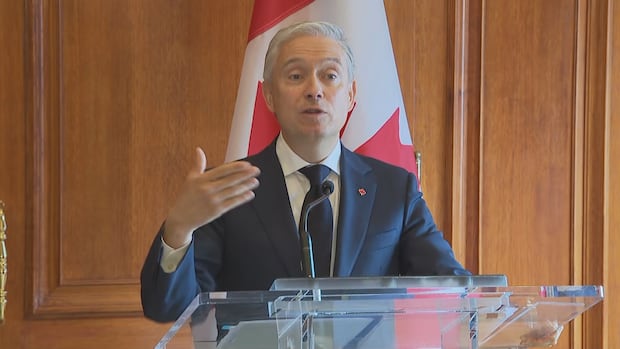
Finance Minister François-Philippe Champagne states that Canada has eliminated counter-tariffs on U.S. fish and seafood as it is ‘in Canada’s best interests.’ The federal government revised the list of tariffs scheduled to take effect on Sept. 8 after ‘listening to Canadians,’ Champagne noted.
Leaders in the industry had been concerned that these countermeasures could lead to severe repercussions for the seafood sector, which had remained unaffected by the trade dispute until Tuesday’s announcement.
“The entire Atlantic fisheries sector is relieved that this tariff has been removed from the list,” remarked Gilles Thériault, former president of the New Brunswick Crab Processors Association.
According to Nat Richard, executive director of the Lobster Processors Association, which includes 25 processors from across the Maritimes, the industry is deeply interconnected with the U.S.
Given the brief Canadian lobster fishing season, a considerable amount of American-caught lobster is processed in Canadian facilities during the off-season before being exported back to the U.S. for sale.
Richard emphasized that the 25 percent tariffs would have rendered processing in Canada financially “impossible.”
“We would likely have witnessed an early closure of many plants,” Richard stated, which typically employ hundreds of workers.
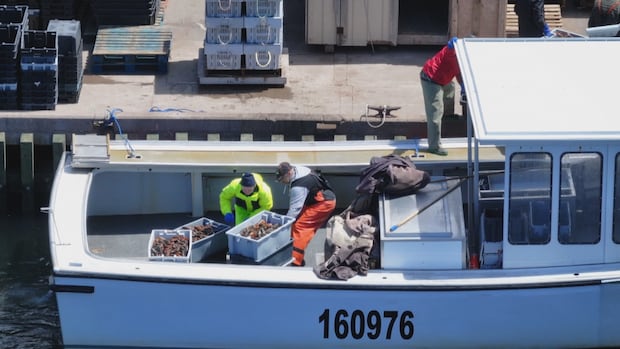
It’s been a tough season so far for many Island lobster fishers. Prices are lower than expected, expenses are up, and cold and windy weather hasn’t helped either. CBC’s Steve Bruce visited North Rustico to find out more.
Beyond lobsters, Kris Vascotto, executive director of the Nova Scotia Seafood Alliance, informed Radio-Canada earlier this week that nearly every seafood product imported into Canada was included on the retaliatory tariff list, which would have had a widespread effect.
Joanne Losier, executive director of New Brunswick Crab Processors, expressed her primary concern about the potential for the tariffs to target the Canadian seafood industry and provoke new retaliatory tariffs from the U.S.
“We were in the spotlight for 24 hours, and we did not ask for this. We don’t want this. We don’t need this,” Losier stated.
Over 90 percent of Canada’s snow crab is exported to the U.S., and so far it has not faced tariffs on the American side. Losier hopes it remains that way.
In a statement to CBC News, Nova Scotia Premier Tim Houston mentioned that he and industry representatives had voiced their concerns regarding the seafood tariffs to the federal government earlier in the week, expressing satisfaction with the decision made yesterday to remove them from the list.
Although some measures have been rolled back, the federal government asserted that it would continue its “dollar-for-dollar and rate-for-rate response to U.S. products.”
A representative from the Ministry of Finance confirmed to CBC News that copper wire, charcoal, and a few other items such as plaster sheets and tiles have been added to the list to maintain that dollar-for-dollar impact. These products will incur a 50 percent tariff starting Sept. 8, and are included on the government’s list of counter-tariffed items.
During a news conference on Thursday, Finance Minister François-Philippe Champagne stated that the federal government considered input from Canadians while making the adjustments — though he did not directly address what implications this decision might have for the White House.
“We made the update because I believe it was the right thing to do in the interest of Canada,” Champagne told reporters.