


Ben McKenzie gained prominence as Ryan Atwood in the popular teen series The O.C., but now he’s focusing on what he describes as “the largest Ponzi scheme in history”: cryptocurrency.
“In the cryptocurrency world, you consistently see that a select few insiders accumulate vast wealth while the majority of everyday investors face losses,” McKenzie stated, as he explores the sector in his recent documentary Everyone Is Lying to You for Money, which had a limited theatrical release in April.
McKenzie’s interest in cryptocurrency sparked when a friend proposed they invest together, but he found the explanation of how it works to be vague. With an undergraduate degree in economics, the actor delved into the industry and quickly became intrigued by “how inflated the whole concept is.”
In 2022, McKenzie testified at a U.S. Senate committee hearing regarding cryptocurrency and co-authored the book, *Easy Money: Cryptocurrency, Casino Capitalism, and the Golden Age of Fraud.*
While some within the crypto industry have claimed the documentary promotes damaging narratives about cryptocurrency, McKenzie insists he is simply advocating for enhanced regulations to safeguard investors.

According to Ben McKenzie, men are attracted to cryptocurrency’s enticing narrative of wealth, but they are also less inclined to discuss their financial losses. The actor and director, renowned for his role in *The O.C.*, examines cryptocurrency in his documentary *Everyone Is Lying to You for Money.*
He discussed the documentary with The Current’s guest host Lyndsay Duncombe, elaborating on why he believes cryptocurrency poses particular risks for men.
[Your documentary] begins with a scene where you mention being in Iraq to explain the origins of money, only to reveal later that you are actually in West Texas. How does this introduction contribute to the message you are conveying?
Everyone Is Lying to You for Money is the title of the film — and I admit at the outset that I am also lying to you for money. This is because lying is a significant aspect of the story of money itself, as money is a construct created by society. It requires belief from people to function. Money has evolved over time, taking various forms, whether feathers, coins, or bills, and now it exists as digital figures in bank accounts; ultimately, what money represents is trust. When you accept a dollar bill from me, it’s not due to your trust in me but because you trust that you can utilize that dollar bill as you wish.
Cryptocurrency claims that we can eliminate the need for that trust, that human trust. It suggests that corporations can create money — that’s what cryptocurrency is, money issued by private entities. And you can rely on that. But the reality is that you cannot. You are essentially shifting your trust from the public to the private sector, which I consider highly risky. Fundamentally, money equates to trust. And these entities are deceiving you for that trust.
Some individuals are indeed profiting from crypto, correct?
Absolutely. In the crypto landscape, you frequently observe that a handful of insiders amass considerable wealth while the majority of everyday investors sustain losses. This pattern repeats itself consistently.
A prime illustration would be Trump coin, the meme coin launched by the former president, where his family reportedly profited $1.4 billion, while investors experienced losses exceeding $3 billion.
This occurs frequently because, with privately issued cryptocurrencies, there is significant potential for price manipulation, leading to numerous investors being scammed and defrauded.
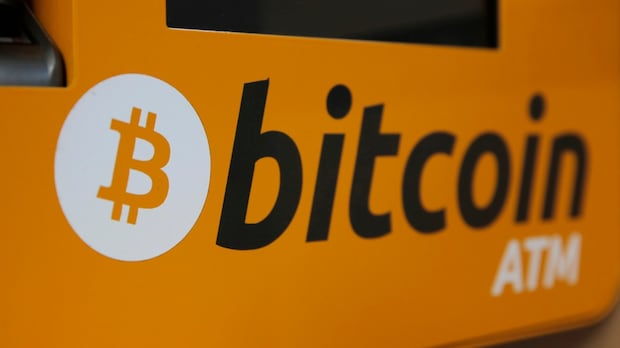
According to a federal report, crypto ATMs are the primary means by which fraudsters extract money from Canadians. The CBC’s Angelina King and Farrah Merali explore this issue in their three-part series *Feeding Fraud: The Crypto ATM Problem.*
Yet, despite substantial losses, some investors in various cryptocurrencies continue to invest, expressing their belief in Bitcoin. How do you account for that?
Belief and faith can be quite peculiar. Humans are not always rational beings. For many individuals — particularly men, as crypto tends to attract a male demographic — the narrative is incredibly appealing: the possibility of becoming extraordinarily wealthy with minimal effort. The idea that they could possess this currency privately, free from government interference, is enticing.
This narrative resonates with many, particularly men facing financial difficulties or having understandable aspirations for wealth. Cryptocurrency exploits these men, capitalizing on the fact that they are more inclined to take risks, which is essentially what investing in cryptocurrency amounts to—gambling in an unregulated environment. Furthermore, men are often conditioned to suppress their emotions regarding losses. You don’t hear them discussing their failed sports bets; they only talk about their victories. From a young age, they often learn to feel shame and not to admit when they lose. The cumulative effect of this is quite detrimental.
In your documentary, you managed to get some of these men to share their experiences. Yet, when you asked if they still believed in cryptocurrency, they responded affirmatively. Were you taken aback by this?
Yes, I was surprised. It seems that the greater the losses, the stronger the need to maintain belief. There’s a notion that the investments made are already lost, and admitting failure would be more painful than continuing to believe. This psychological phenomenon, known as the sunk-cost fallacy, suggests that because they have already invested so much time and money, it is easier to persist in the hope of recovery. What I find most tragic is not the belief itself but the underlying reality that they feel compelled to gamble to begin with. It highlights a societal failure in providing a quality of life that alleviates the need for such risky ventures.
-
Analysis
How Trump and his family keep profiting from his presidency
-
FTX founder Sam Bankman-Fried convicted of defrauding cryptocurrency customers
Ultimately, one of the key takeaways regarding cryptocurrency is that it highlights the shortcomings of our current regulated financial system, which often fails to serve the average person well. While many of these criticisms hold merit, cryptocurrency does not offer a better solution; it represents a worse alternative. This concept can be challenging for investors to grasp, yet it remains a reality.