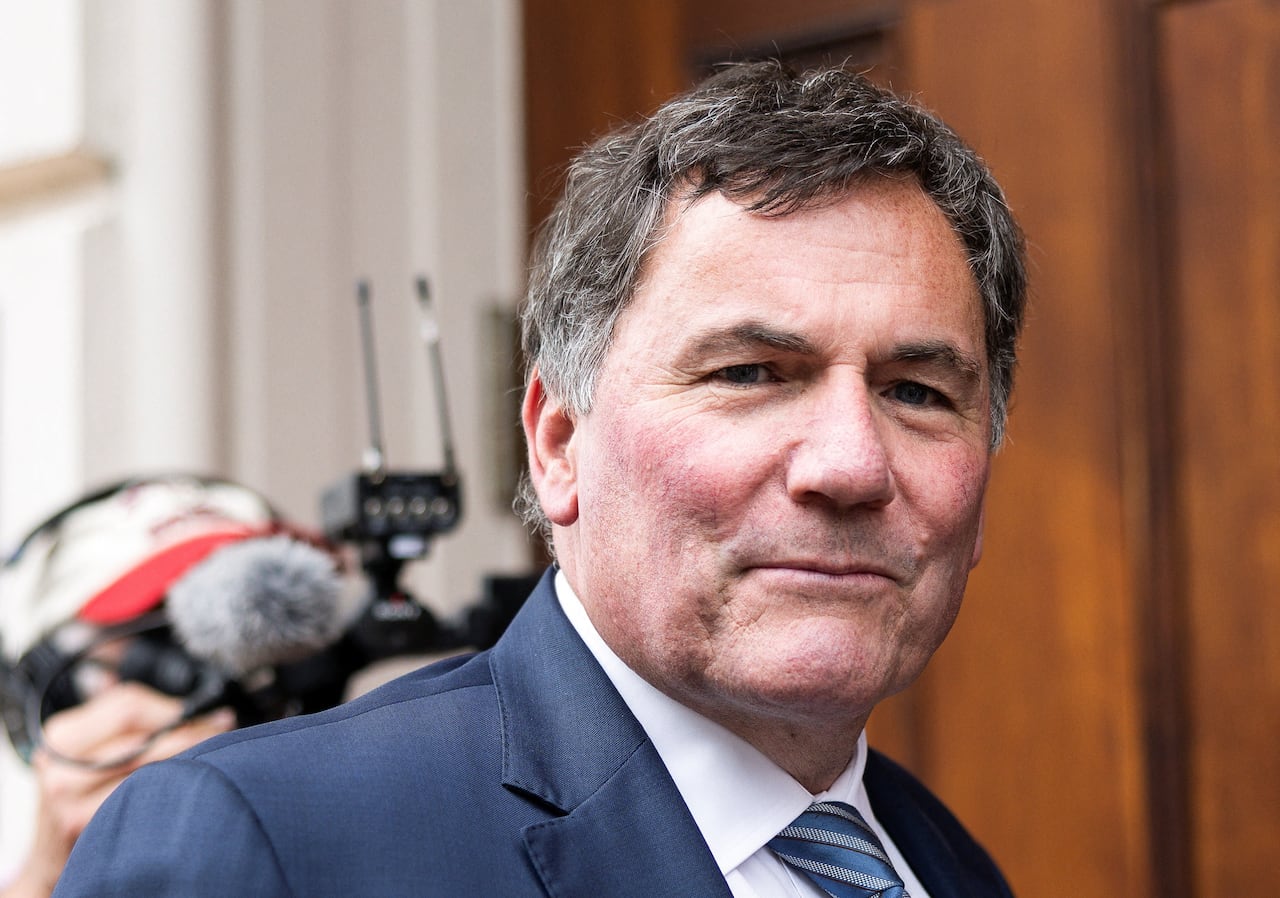
The most recent set of tariffs imposed by the Trump administration on billions of dollars in Canadian products came into effect shortly after midnight on Saturday. This action followed the failure of both nations to reach a last-minute trade agreement that met their respective needs.
Prime Minister Mark Carney announced that Canada would respond with equivalent measures after the White House acted on its warning to enforce hefty tariffs of 50 percent on various items. Trade representatives from both countries indicated they were close to finalizing a deal in recent days; however, Carney stated that Ottawa could not agree to the proposed terms.
In a statement, the prime minister declared, “I have decided to suspend trade negotiations with the U.S. and have instructed Canada’s negotiators to return to Ottawa.”
He further explained, “They have worked diligently and in good faith to protect Canadian interests throughout these negotiations right up to the final moment. However, last-minute alterations in the U.S. proposed terms were unjust, uneconomic, and raised doubts about the reliability of any agreement.”
U.S. President Donald Trump did not offer immediate commentary.
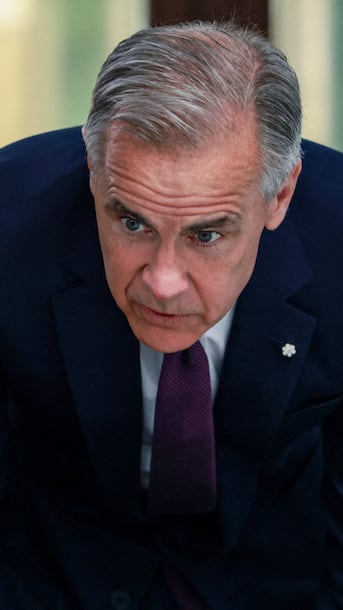
Prime Minister Mark Carney stated that Canada intends to implement retaliatory tariffs ‘dollar for dollar’ following the initiation of the 50 percent tariffs on August 21 at 12:01 ET. The two nations had intensified trade discussions over the past three days after Trump extended the tariff deadline earlier this week.
In a separate statement, U.S. Trade Representative Jamieson Greer noted that negotiations fell apart because Canada rejected the terms offered by the administration.
Greer stated, “Tonight, Canada chose not to finalize the trade agreement under the terms agreed upon earlier this week. Despite the U.S. offering Canada the most favorable treatment of any major exporter to our market, new demands and retractions of previous commitments by Canada disrupted the delicate balance established in recent days.”
He also added, “Moreover, Canada continues to uphold its extended retaliation against the United States, which includes outright bans on certain American goods and services.”
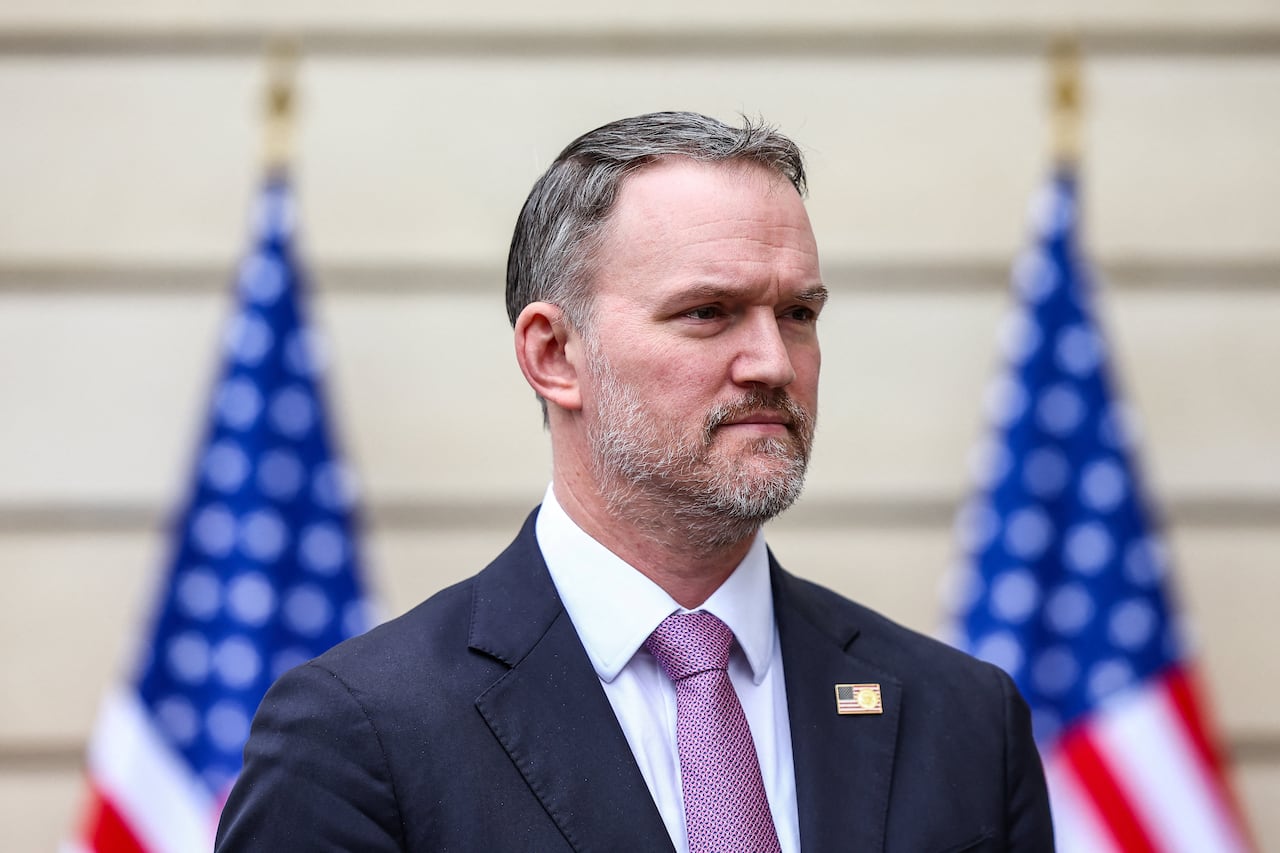
U.S. Trade Representative Jamieson Greer in March. (Abdul Saboor/Reuters)
The new American tariffs coupled with Canada’s promise of counter-tariffs signify a notable escalation in the trade conflict between the U.S. and Canada, two nations previously regarded as closely aligned in trade matters.
Throughout the week, Canadian Trade Minister Dominic LeBlanc engaged with Greer, his American counterpart, in Washington, D.C., aiming to secure a deal before the administration’s deadline on Friday night.
Details of the tentative agreement were not disclosed, but sources have indicated that it would have reduced sectoral tariffs that have significantly impacted Canada’s aluminum, steel, and automobile industries for several months. In exchange, Carney urged Canadian premiers to contemplate lifting provincial restrictions on American alcohol.
As of Thursday night, sources familiar with the discussions reported that U.S. Commerce Secretary Howard Lutnick, a key member of Trump’s cabinet, had voiced dissatisfaction with the proposed agreement.
After Carney’s commitment on Friday to respond to the new tariffs with equivalent measures, CBC News inquired of a senior official from the Trump administration about potential solutions to alleviate the escalating trade conflict between the two nations.
- Cross Country Checkup wants your reaction to the trade dispute with the U.S. Leave your comment here and our team may get in touch or read your comment on air
An official remarked on Friday, “In some respects, the decision lies with the Canadians. If they opt for escalation, then that is their choice,” adding that Trump could be presented with options to “level the playing field” should Canada choose to retaliate.
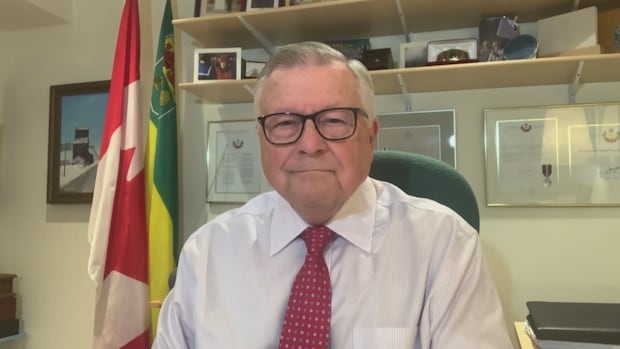
On Friday, Canadian and U.S. negotiators raced against a midnight deadline to finalize a high-stakes trade agreement that could lower threatened U.S. tariffs on Canadian steel and aluminum, and return American alcohol to some provincial store shelves. Advisory Council on Canada-U.S. Economic Relations member Ralph Goodale speaks to Power & Politics.