

A prominent member of U.S. President Donald Trump’s cabinet has voiced concerns regarding the current trade agreement negotiations with Canada, advocating for modifications as the high-stakes talks reach a critical juncture in Washington, according to CBC News.
Four individuals familiar with the private discussions revealed that U.S. Commerce Secretary Howard Lutnick, a key player in Trump’s economic strategy and a long-time associate of the president, believes that the United States could negotiate a more favorable deal than what has been proposed since Tuesday.
The sources indicated that Lutnick is particularly opposed to the potential reduction of sectoral tariffs, referred to as 232 tariffs, which includes decreasing the tax on automobiles manufactured in Canada from 25 percent to 15 percent. Lutnick is concerned that such a concession would hinder efforts to promote domestic manufacturing within the U.S.
CBC News has chosen not to disclose the identities of these sources, who were informed about the discussions as of Thursday night, as they lacked authorization to speak publicly about the matter.
While no sources indicated that Lutnick’s concerns could derail the negotiations, his behind-the-scenes dissatisfaction contrasts sharply with the optimistic narrative presented by Trump, Prime Minister Mark Carney, and top trade negotiators from both nations in recent public statements.
“We’re quite pleased with the outcome,” U.S. Trade Representative Jamieson Greer told reporters on Wednesday. “We are confident that we have crafted an agreement that will not only safeguard American workers and jobs but also enhance the American economy.”
A fifth source familiar with the negotiations noted that Lutnick has been both constructive and engaged with the negotiating team—challenging, but involved.
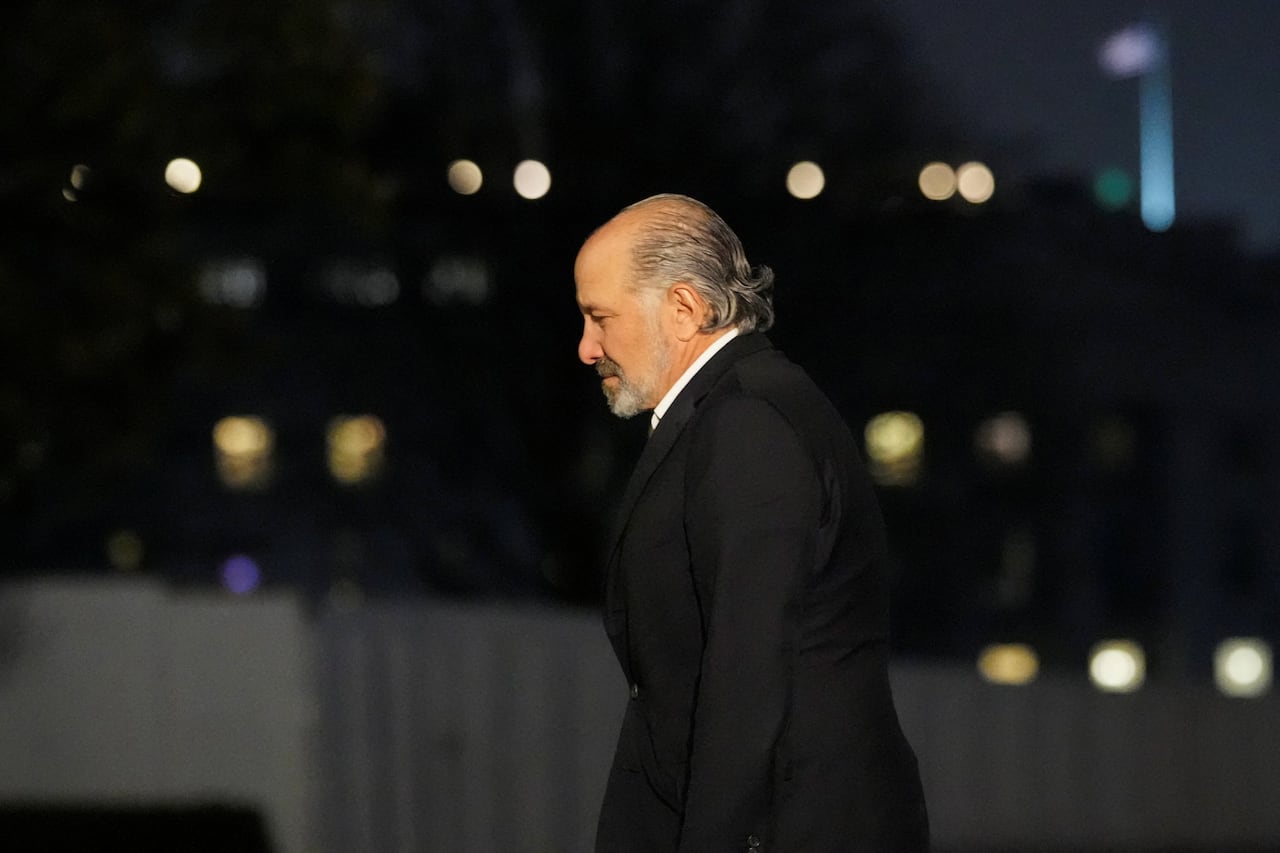
Lutnick outside the White House in February. (Ken Cedeno/Reuters)
In a statement to CBC News following the report, the U.S. Department of Commerce did not refute Lutnick’s dissatisfaction with the terms. An email received late Friday mentioned that the secretary has been collaborating closely with Greer, “and the team has been engaging directly with their Canadian counterparts.”
“These unnamed sources may not grasp that President Trump, Secretary Lutnick, and his trade team are dedicated to securing the best deal for the United States,” the email asserted.
CBC News has also reached out to the White House, Greer’s office, and Canada’s trade minister for their input.
Canada and the United States are working diligently to finalize a trade agreement before Trump’s three-day pause on new tariffs against a variety of Canadian products expires at 12:01 a.m. ET on Saturday.
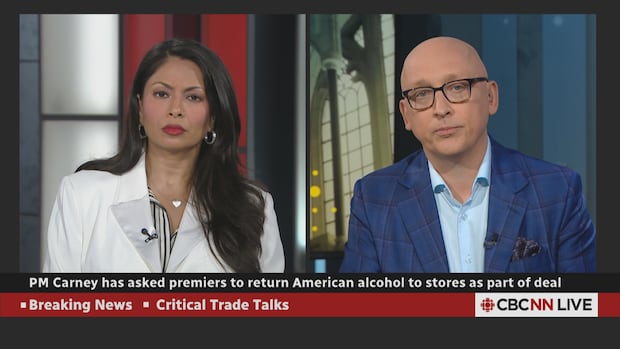
With new 50 percent tariffs set to take effect just after midnight, Canadian negotiators are once again in Washington to finalize a deal. David Cochrane, host of CBC’s Power & Politics, joins CBC News Network to break down the state of trade talks as the deadline approaches.
Although the details of the agreement remain undisclosed, various sources suggest it would reduce sectoral tariffs that have been adversely affecting Canadian aluminum, steel, and automobile industries for several months. In exchange, Carney has urged Canadian premiers to contemplate lifting provincial restrictions on American alcohol.
The White House has refrained from confirming any specifics.
“Any reports regarding the particulars of this potential agreement should be viewed as conjecture until an official announcement is made by the Administration,” an official stated in a message to CBC News on Wednesday.
Earlier that same day, Trump described the agreement as “a beneficial deal for everyone,” while Carney emphasized that Canada was focused on “achieving the best terms in each of Canada’s most critical strategic sectors.”
Trade representatives from both countries reconvened in Washington on Friday as the administration’s new deadline approached. Canadian Trade Minister Dominic LeBlanc did not comment as he entered the building but mentioned that the two sides were “very close” to finalizing a deal following a three-hour meeting on Thursday.
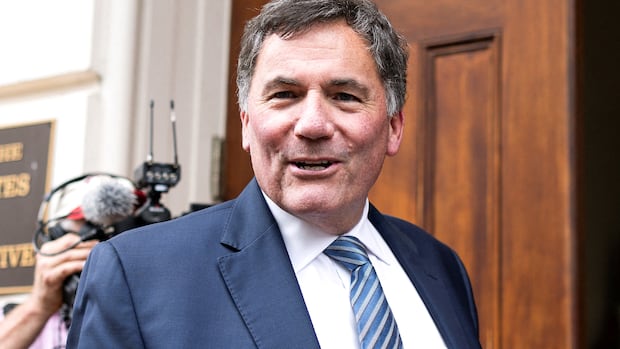
Canada-U.S. Trade Minister Dominic Leblanc says a final deal is ‘very close’ as premiers weigh ending U.S. alcohol bans and push for more details. Ontario’s normally outspoken premier Doug Ford remains silent.
A source familiar with the agreement told CBC News on Thursday that it encompasses a reduced tariff on Canadian steel, which would implement a quota system allowing tariffs to be lowered for a limited volume of imports. The deal is also said to include modifications to dairy license allocations, potentially increasing the availability of American dairy products in Canadian markets.
The imposition of tariffs on other nations has been a cornerstone of the Trump administration’s economic agenda throughout both of his terms in office.
As commerce secretary, Lutnick holds significant sway over the administration’s trade and tariff policies. He supervises U.S. Trade Representative Jamieson Greer, who has been actively involved in negotiations with LeBlanc for several weeks.
On Monday, Lutnick and Greer met with LeBlanc and Janice Charette, Canada’s chief trade negotiator, just a day before Trump revealed the initial agreement late Tuesday.
Lutnick has consistently aligned with Trump’s perspective that tariffs are essential for safeguarding American businesses and promoting domestic production.
“We are treated poorly by the global trading landscape,” Lutnick stated during his confirmation hearing in early 2025. “We deserve better treatment. We must ensure fairness and respect through the use of tariffs.”
Lutnick and Trump, both entrepreneurs from New York City, became acquainted decades ago through the city’s social scene. Media outlets have discussed their relationship regarding its significance as Trump rose to political prominence.
Throughout the trade conflict with Canada, Lutnick has frequently advocated for tariffs and has been critical of Canadian policies on U.S. television networks that reach millions of viewers.
Last autumn, Lutnick expressed to an audience in Toronto his desire to utilize tariffs to relocate auto assembly from Canada. He also criticized Canada at another event in April, labeling its trade strategy as “the worst” he’d ever encountered. A spokesperson later clarified that Lutnick was referring to the trade imbalance between the countries, not Canada’s negotiation approach, when he remarked “they suck.”